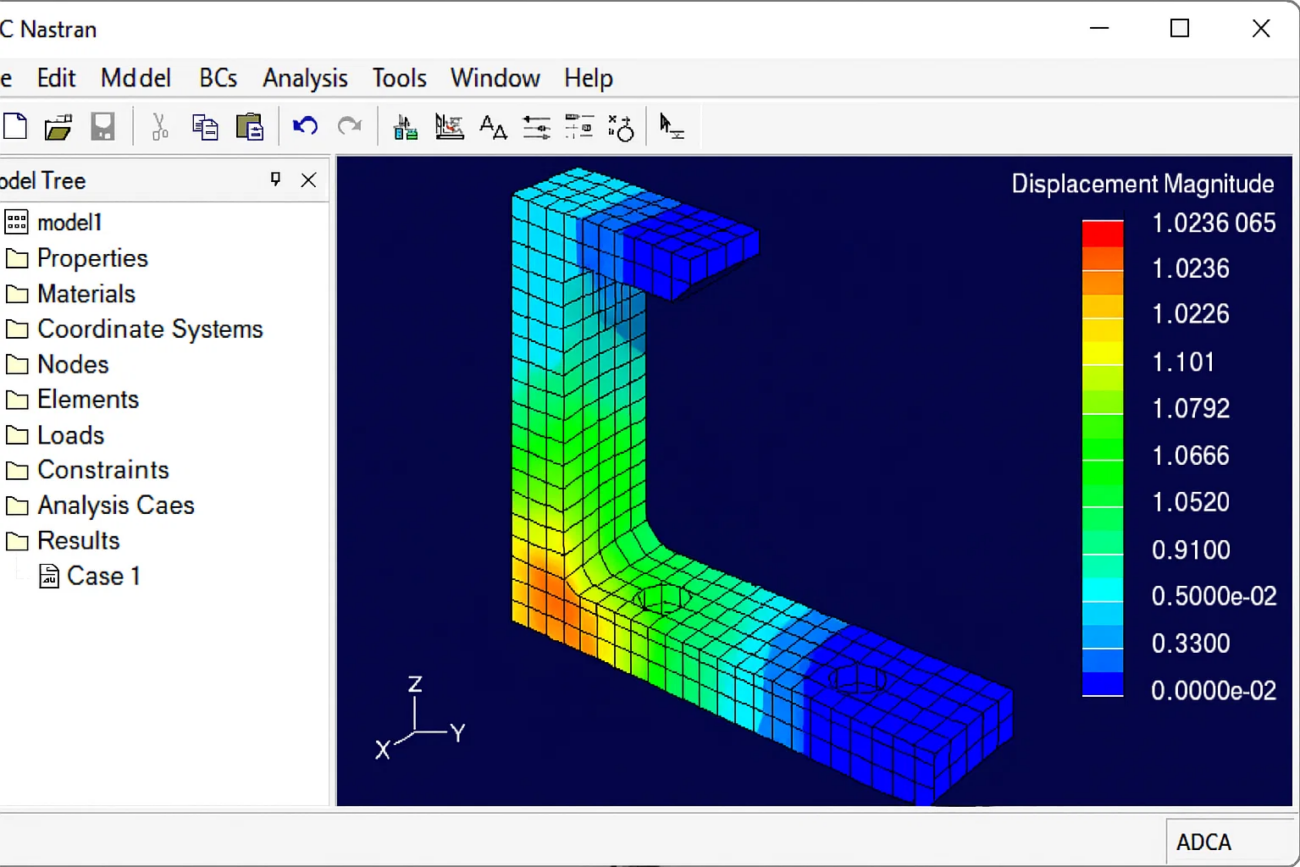
nastran is one of the core finite element solvers in the field of structural analysis and is widely used in high-demand industries such as aerospace, automobiles, equipment manufacturing, and precision machinery. Its solution tasks are usually computationally intensive and cycle-long, and are extremely sensitive to license resources, solution time and queue management. In actual enterprise use, Nastran’s floating license often faces:
- Concentrate on grabbing during peak periods
- The solution takes a long time and cannot be interrupted
- Multiple projects in parallel lead to license tension
- Engineers lack real-time transparency into resource status
- Waste of resources caused by empty occupation
The role of Nodexel is to allow enterprises to completely “see” the real-time usage chain and resource occupation dynamics of the Nastran solver for the first time.
1. Why are structural solution tasks often congested? ——Nastran’s computing characteristics determine resource sensitivity
Different from modeling software, the characteristics of Nastran are:
1. Solving tasks often occupy permissions for a long time
Structural statics, modal analysis, nonlinear solution, optimization solution (SOL 101/103/106/200, etc.) usually take tens of minutes to hours or even longer.
2. A single solution task can lock the license for a long time
The license is not released during the Nastran solution process, which means that other engineers may not be able to start the task due to insufficient resources.
3. When running multiple nodes and multiple cores in parallel, multiple Features will be called at the same time.
Large solver tasks may call:
- Basic solution permission
- High Performance Computing (HPC) Licensing
- Specific module licenses (such as DMAP extensions)
Makes the permission occupancy structure more complex.
4. Overlay of multiple projects leads to unpredictable load
The structural team, simulation team, and NVH team often submit tasks in similar cycles.
Therefore, the Nastran authorization pool presents a contradictory state in most enterprises: “it seems sufficient, but in fact it is often full.”
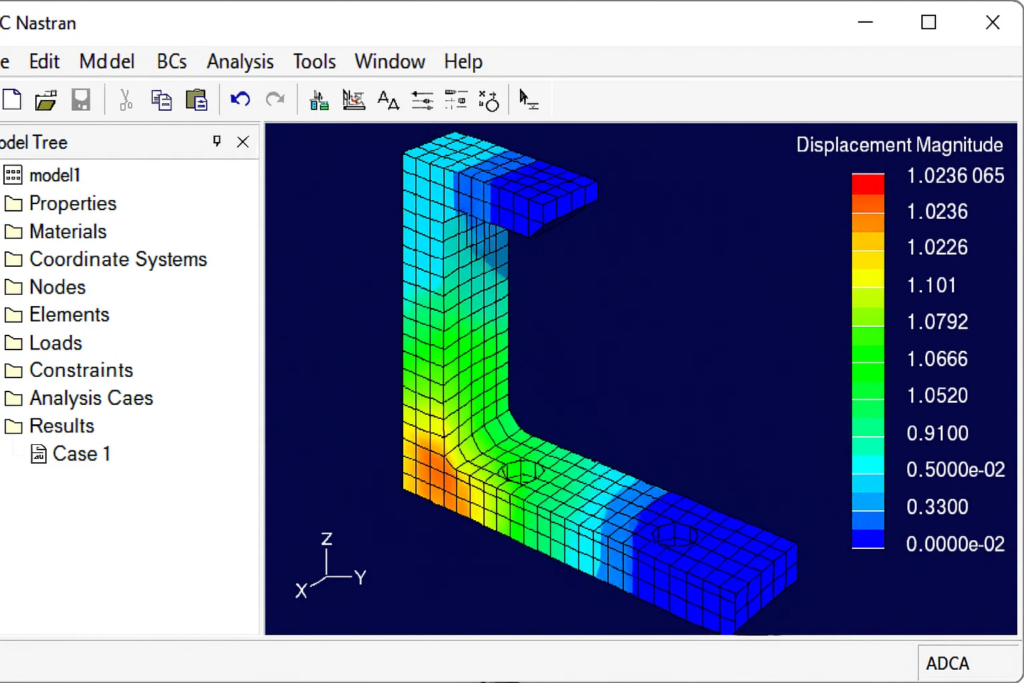
2. Real-time monitoring of Nodexel: visualizing Nastran solution resources
When Nodexel is connected to the FlexLM (or Siemens FEM licensing mechanism) used by Nastran, the licensing dynamics of the solver can be displayed in real time.
1. Real-time display of the authorized occupancy status of each solution task
Includes:
- Engineers who are solving
- Solution type (SOL 101 / 103 / 106 / 200 etc.)
- Feature used
- Number of occupied and remaining licenses
- Solve task start time
- Expected increase in occupancy time trend
Solve the management blind spot of “Who is occupying the solver?” in the past.
2. Automatically record the peak value and running cycle of solving tasks
Nodexel records license changes every minute and is used to generate:
- Solve the load curve
- Project cycle load distribution
- Authorization pressure map for each solution type
- HPC Core Usage Statistics
This data is extremely valuable to engineering leaders and resource planners.
3. In a multi-project parallel scenario, how does Nodexel help the team understand resource competition?
Nastran is most prone to “resource competition” problems in a multi-project environment, which are manifested as:
- Engineers queue after submitting solution tasks
- Solution stuck, insufficient license
- Unable to tell whether to wait or adjust tasks
The centralized view provided by Nodexel can display:
1. Which projects are currently occupying Nastran resources?
Includes:
- Occupied quantity
- Task duration
- Current solution progress trends
- Is it a long-term solution task?
2. Distribution of resource proportions among project teams
Help judge:
- Are any projects overusing resources?
- Should there be dedicated solution time windows for large projects?
- Is HPC a bottleneck?
3. Structural comparison of a large number of short tasks vs. long tasks
Managers can plan solution queues more clearly.
4. How does Nodexel identify typical resource waste problems in Nastran solutions?
Situations that often occur in actual projects include:
1. The solution has ended, but the permission has not been released.
The reasons may be:
- Solver did not exit completely
- The post-processing interface still occupies the license
- The user did not close the relevant window
2. The engineer forgot to release the license after interrupting the operation
Especially in the evenings, weekends or during meetings.
3. Multi-core solution does not end correctly, resulting in HPC license remaining
Nodexel can automatically identify these “abnormal occupancy” and mark abnormal curves or abnormal sessions in the chart.
5. Lightweight idle license recycling strategy
Within the solution peak range set by the enterprise, Nodexel can Gentle recycling of Nastran idle occupancy for long periods of complete inactivity, to avoid invalid locking of resources, but without interfering with the executing solver process.
6. Data-based Nastran resource planning: from guesswork to quantification
After introducing Nodexel, enterprises can obtain a complete set of Nastran usage data system:
- Solve task cycle
- peak pressure source
- License usage statistics of different SOL types
- Resource usage ratio of each project team
- HPC Licensing Demand Trends
- Reasonable expansion suggestions (based on actual load data)
- Abnormal occupancy ratio
- Monthly and quarterly resource assessment reports
This data can be used directly to:
- Annual simulation capability planning
- HPC and Licensing Scaling Assessment
- Project load management
- Solve Queue Optimization
- Cross-departmental resource coordination
Let Nastran be empowered to be a “manageable, auditable, predictable” engineering resource.
Conclusion: Nodexel brings transparency and efficient collaboration in the field of structure solving
Nastran is the core solution tool of the enterprise structure simulation chain, and its license resources are often in the most invisible and sensitive position. Through real-time monitoring, solution dynamic analysis, abnormal occupancy identification and lightweight resource recycling, Nodexel enables enterprises to:
- Know exactly when and why a solver is full
- Analyze the factors that really lead to resource constraints
- Improve collaboration efficiency
- Reduce solution waiting costs
- Develop a more scientific resource planning strategy
Let the overall efficiency and stability of the structural simulation team achieve quantifiable improvements.
